


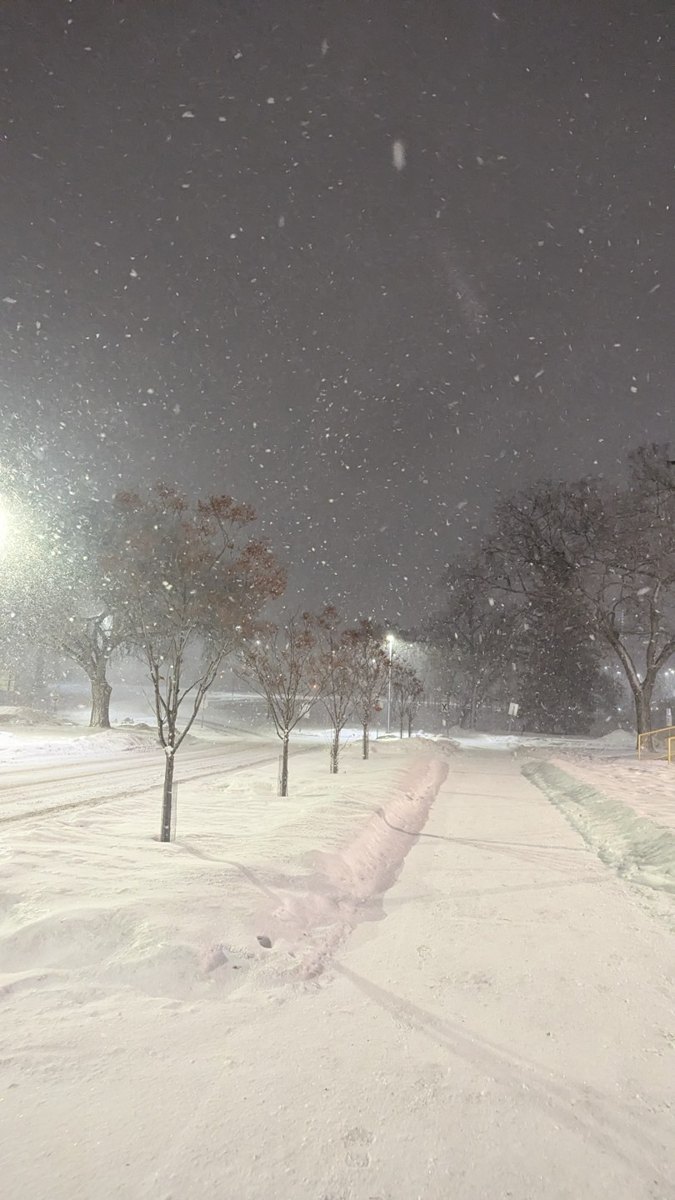

Prepare a first Canadian winter around actual life: work travel, transit waiting, housing and family activities. Conditions vary by region and day. Do not build preparation around a single temperature or advice intended for somewhere else. Use local information and arrange simple alternatives when routines must change.
Start with everyday travel
List necessary journeys and outdoor sections. A short map distance may involve a long wait or an inconvenient crossing. Check municipal and transit information about disruptions and services. Plan an alternative way to organize the day if the usual journey becomes difficult, without assuming every option remains available.
Agree how household members report delays and who can collect a child when plans change. Keep useful contacts accessible. You need not predict every incident, but avoid depending entirely on one person or an uncharged phone. Advance discussion makes changes less stressful when weather deteriorates.
Choose clothing for actual use
Health Canada advises appropriate protection against cold and attention to conditions. Review its recommendations before outdoor activities and adapt to actual exposure. An expensive brand alone does not guarantee comfort or protection in every situation. Official source.
Try clothing and footwear under reasonable conditions before relying on them for a long outing. Check movement and suitability for the journey. Plan drying and spare-item storage. For children, explain storage habits and regularly check that equipment remains usable instead of treating the initial purchase as permanently complete.
Understand housing and contacts
Learn normal heating operation and whom to contact if it fails. Tenants should request the manager’s or landlord’s procedures and retain written instructions. Do not improvise repairs or use a heater without understanding its conditions. Technical questions need a competent contact.
Prepare information for service interruptions: receiving notices, contacting assistance and finding local instructions. Do not turn a general equipment list into immediate shopping obligations. Review existing household supplies and actual needs first. Official local guidance can identify relevant preparation.
Stay connected to official information
Check forecasts and warnings before planned journeys or activities. Cold-related risks cannot be inferred solely from the sky’s appearance or yesterday’s experience. Ask a professional about individual health questions or vulnerabilities. This article organizes practical routines rather than replacing medical assessment.
After the first weeks, revise the list using what was genuinely missing: better travel planning, an accessible contact or more suitable clothing. Share observations without minimizing household members’ difficulties. Gradual adjustment based on local conditions makes winter more understandable without pretending purchases eliminate every risk.
Official sources checked November 6, 2026
Official sources and verification
- www.canada.ca — 2026-11-06
Resized photograph: Joli Rumi / Wikimedia Commons — CC BY-SA 4.0 — CC BY-SA 4.0 Image source.