



A lease may arrive after many viewings and a lengthy search. Relief at finding a home should not replace reading the document. Prepare a short checklist comparing what was shown, explained and written. It does not decide a clause’s legal validity, but makes clarification needs more visible.
Identify exactly what is rented
Check the address, unit number, parties and included spaces. Look for written references to parking, storage or furnishings mentioned during the visit. Record unknowns instead of assuming everyone will interpret a verbal promise identically.
CMHC outlines matters to examine when signing, including property identification and parties’ commitments. Use its page as a starting point, then consult the relevant provincial or territorial rental authority. Forms, deposits and procedures vary; general guidance is not a uniform national rule. Official source.
Separate rent from other expenses
Record rent, payment frequency and included services. Check heating, electricity, water, Internet, parking and other advertised items separately. Note consumption-based charges and separate suppliers. An advertised rent may represent a different total budget once necessary costs are included.
Before accepting a deposit or payment request, verify its nature and local rules. Ask how it is documented and connected to the commitment. A friend’s experience in another province does not establish applicability. Keep payment evidence with the lease and use descriptions that identify the purpose.
Read duration and responsibilities
Identify the start date, duration terms, amendment provisions and end-of-tenancy arrangements. If several people sign, discuss their commitments. Private arrangements among roommates do not necessarily match obligations to the landlord. Have unclear or contradictory clauses explained.
Review repair instructions, emergency contacts and supplied equipment. Prepare observations on move-in with relevant evidence and an agreed transmission method. A photograph documents a fact but does not replace appropriate reporting. Keep useful correspondence without unnecessarily circulating roommates’ details.
Retain a complete, usable version
Ensure referenced attachments are available and agreed changes appear in the signed version. Detached signature pages and partial screenshots make later review difficult. Store the lease, annexes and payment evidence together with restricted access. Keep a backup accessible if your main device fails.
If an important issue remains uncertain, ask the landlord or competent resource a precise question before signing. Identify the clause, your understanding and the fact needing confirmation. That is more useful than requesting a general guarantee. Aim for an understood, documented decision without inventing nationwide rights or deadlines.
Official sources checked November 6, 2026
Official sources and verification
- www.cmhc-schl.gc.ca — 2026-11-06
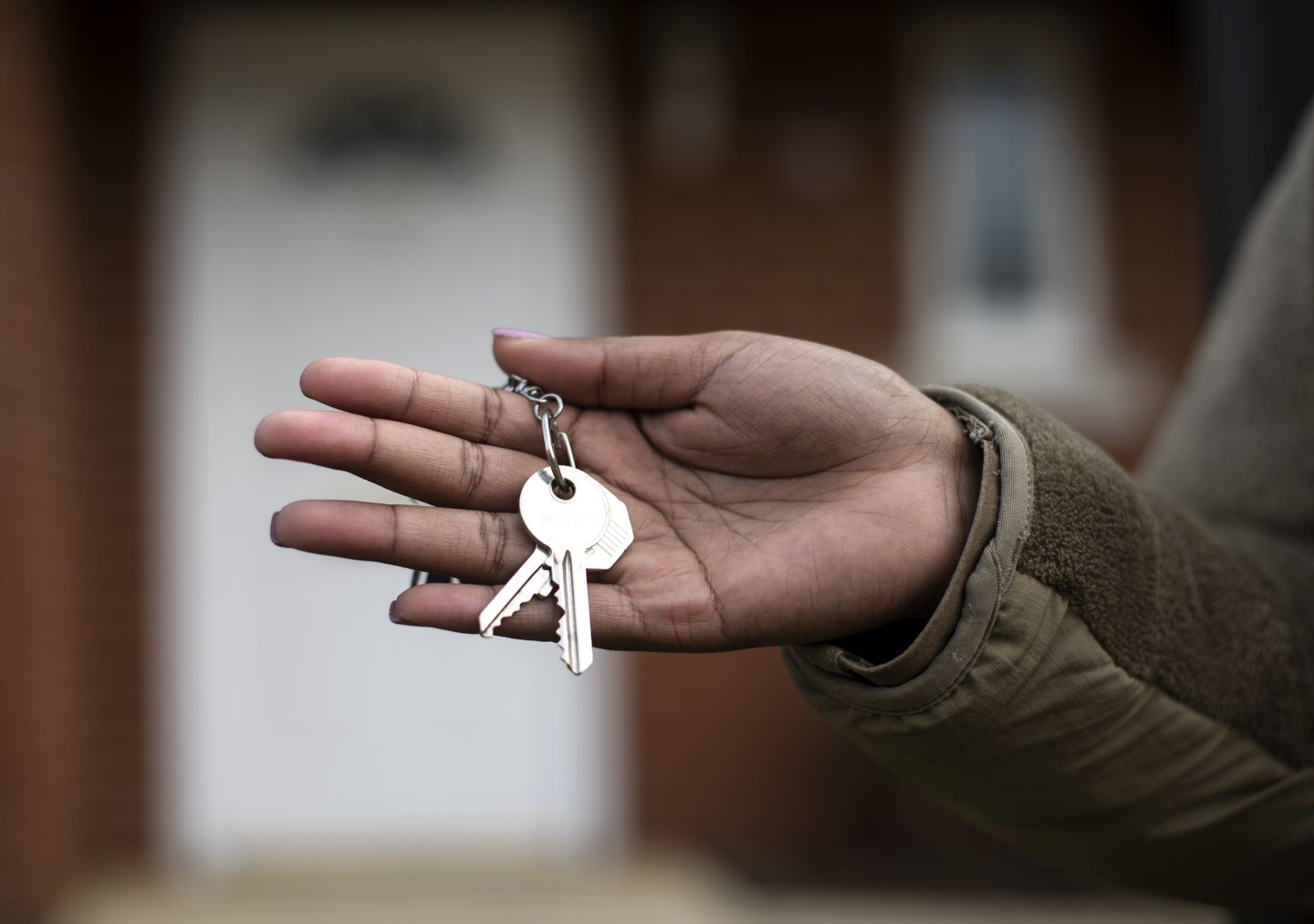
Resized photograph: U.S. Air Force photo by Airman 1st Class Jessi Roth / Wikimedia Commons — Public domain — Public domain Image source.