


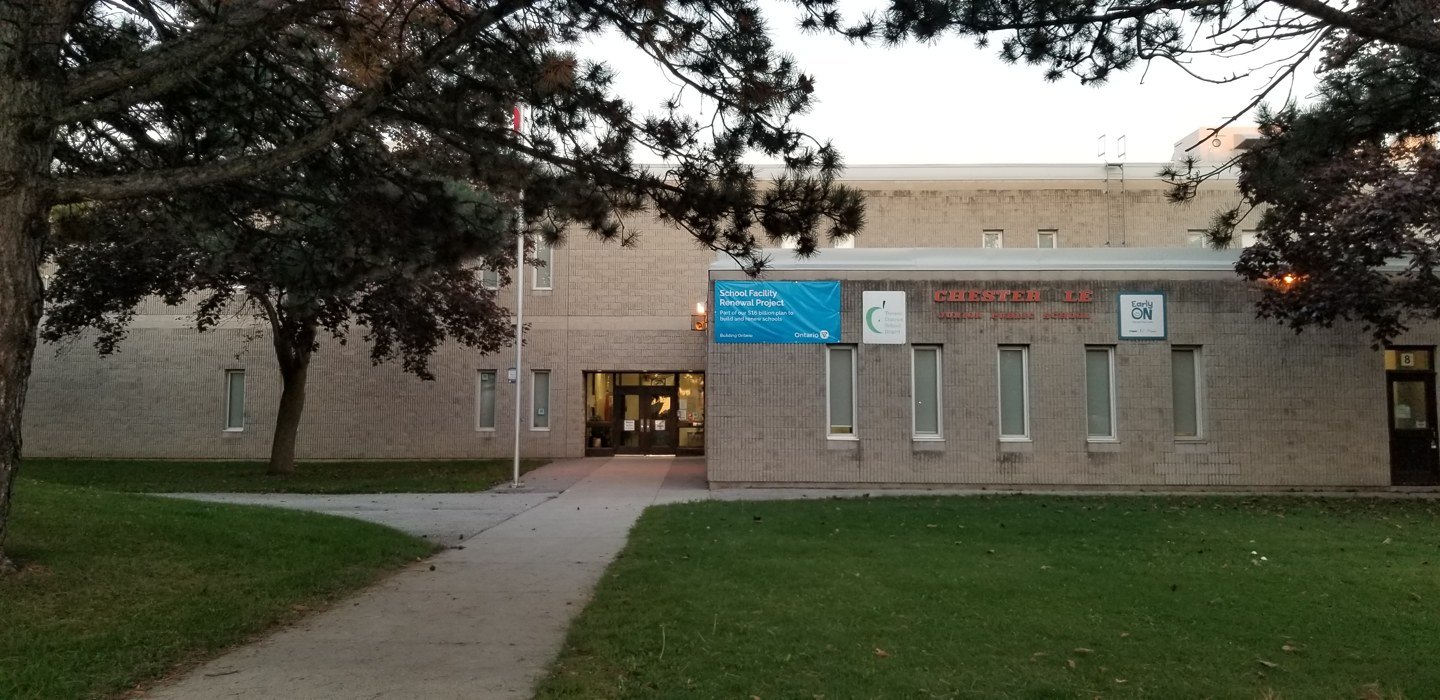

Registering a child connects several types of information: residence, previous education, responsible adults and communication needs. Identify the school authority for the planned address first. A school found on a map or recommended by a friend may not handle your application. The correct initial contact avoids preparing for the wrong procedure.
Request local instructions
IRCC explains that enrolment depends on education level and location. Follow the relevant school authority’s instructions next. Prince Edward Island, for example, describes a particular reception process for some newly arrived children. This illustrates why one province’s arrangements are not a national rule. Official source.
Ask for current required records, appointment arrangements and submission channels. Identify whom to contact when family circumstances or available documents do not match examples. Do not independently decide that a missing record prevents enrolment; ask the competent service about alternatives or next steps.
Prepare understandable records
Collect relevant identity, residence and school documents according to received instructions. Record each document’s holder, language and purpose. Check translation needs before ordering a service. A copy prepared for immigration does not automatically meet school requirements.
Keep originals secure and ask what must be shown or supplied. Do not email the entire family file to an address found in a discussion group. Verify details through the authority’s official site. A child’s identity and educational history should reach people actually involved in registration.
Describe education and needs accurately
Prepare a simple chronology of schools, instructional languages and any interruptions. Do not assign definitive local equivalencies yourself. Provide available facts and records for the school team’s review. Translation difficulties or incomplete reports require explanation rather than reconstructed documents.
If the child already receives particular support, ask how and to whom relevant information should be transmitted. Distinguish available evidence from needs you wish to discuss. Do not assume a specific place, service or timetable. Conversations with the authority clarify possibilities and next steps without unconfirmed promises.
Organize daily arrival
As registration progresses, check calendars, communication arrangements and practical instructions. Record authorized contacts and how to report absence or contact changes. Discuss travel and schedules among responsible adults. Administrative preparation should lead to an arrangement the child understands.
Keep submitted forms and confirmations. If housing changes during the process, notify the relevant contact rather than assuming the update circulates automatically. Bring the official checklist and unresolved questions to a settlement-support appointment. Concrete records allow useful preparation without declaring admission or support already secured.
Official sources checked November 6, 2026
Official sources and verification
- www.canada.ca — 2026-11-06
- www.princeedwardisland.ca — 2026-11-06
Resized photograph: Silver Dovelet / Wikimedia Commons — CC BY-SA 4.0 — CC BY-SA 4.0 Image source.