


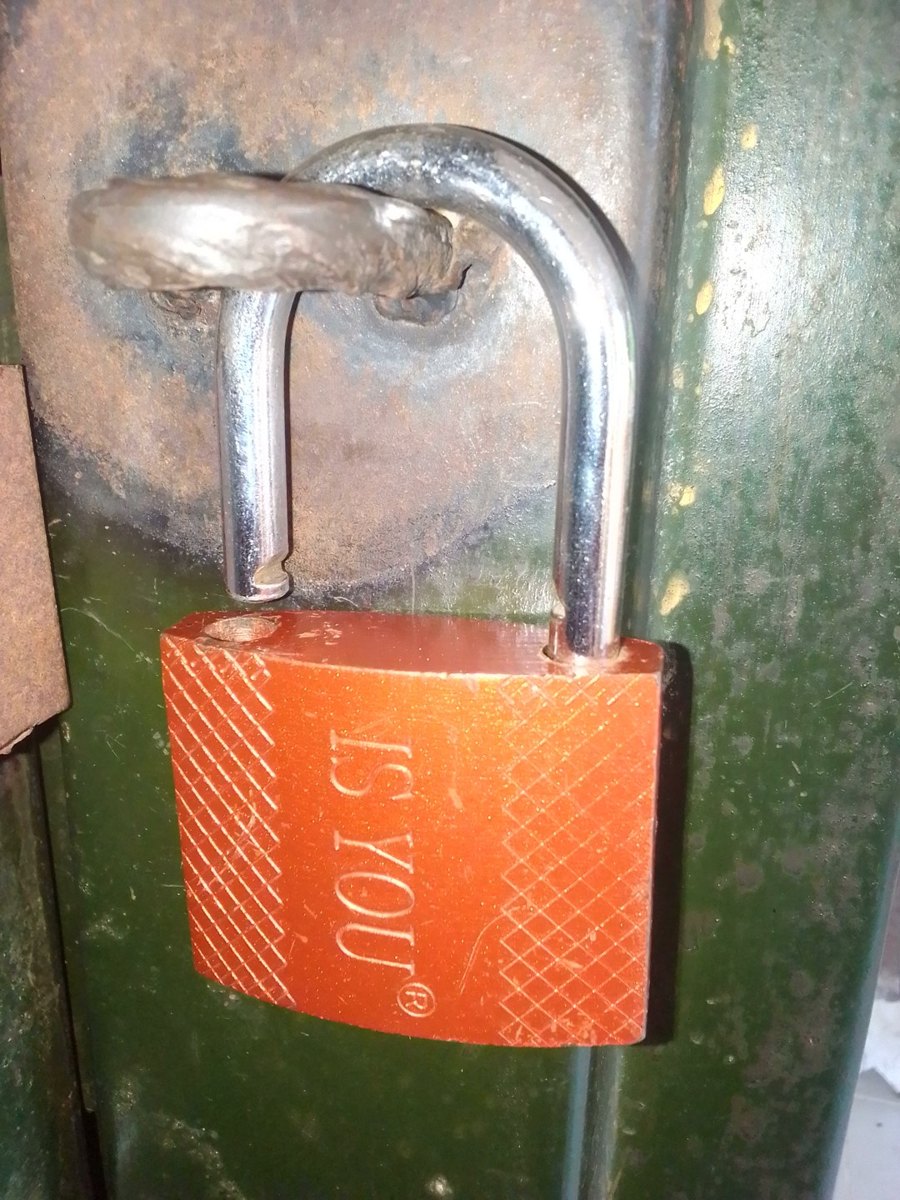

After arrival, forms follow one another for employment, housing, banking, phones and other services. A field labelled “SIN” can suggest it must always be completed. Identify the recipient and reason first. A Social Insurance Number is confidential; its presence on a form does not establish that it must be supplied for that transaction.
Distinguish authorized use from identification
Service Canada explains that the SIN serves certain legally defined uses and its confirmation document is not identification. Its protection page distinguishes necessary disclosure from situations where it need not be provided, including job applications and rental applications. Check those examples before responding to an unclear request. Official source.
The practical aim is to limit copies and recipients. Do not attach a SIN confirmation to a résumé or public portfolio. If an organization needs identification, ask which records it accepts and why. Avoid replacing a defined check with an entire collection of personal documents.
Ask before transmitting
Ask the purpose, who can access the information and how it should be delivered. A specific explanation helps assess consistency with the requested service. For an unexpected message, independently locate official contact details instead of relying only on its link or phone number. Confirm the process directly.
You can ask: “Please explain why the SIN is necessary and which alternative document works if it is not required.” Keep the reply. Pressure to act immediately calls for a pause and verification. Do not share more records to reassure someone who refuses to explain the need.
Reduce unnecessary traces
Store sensitive documents securely rather than in a folder shared widely with others. On a shared computer, check downloads and temporary copies after completing a process. A correctly transmitted file can remain exposed if a copy is forgotten in an accessible location.
Review attachments before every submission. A tax statement or old employment record may contain the number unexpectedly. If it is unnecessary, ask how to provide only relevant evidence. Do not alter a required official record without checking instructions; select an appropriate document or channel instead.
Respond to a suspicious request
Keep useful evidence of a questionable message without continuing the exchange. If information may be compromised, follow Service Canada’s official fraud and data-breach instructions linked from its protection page. Do not assume a replacement number is automatic or resolves every consequence.
Prepare a timeline of documents sent, dates, channels and apparent recipients. This helps appropriate contacts understand the exposure. For future tasks, identify the need, verify the recipient and share only necessary material. Settling quickly does not justify circulating every personal document by default.
Official sources checked November 6, 2026
Official sources and verification
- www.canada.ca — 2026-11-06
Resized photograph: Taoheedah / Wikimedia Commons — CC BY-SA 4.0 — CC BY-SA 4.0 Image source.