


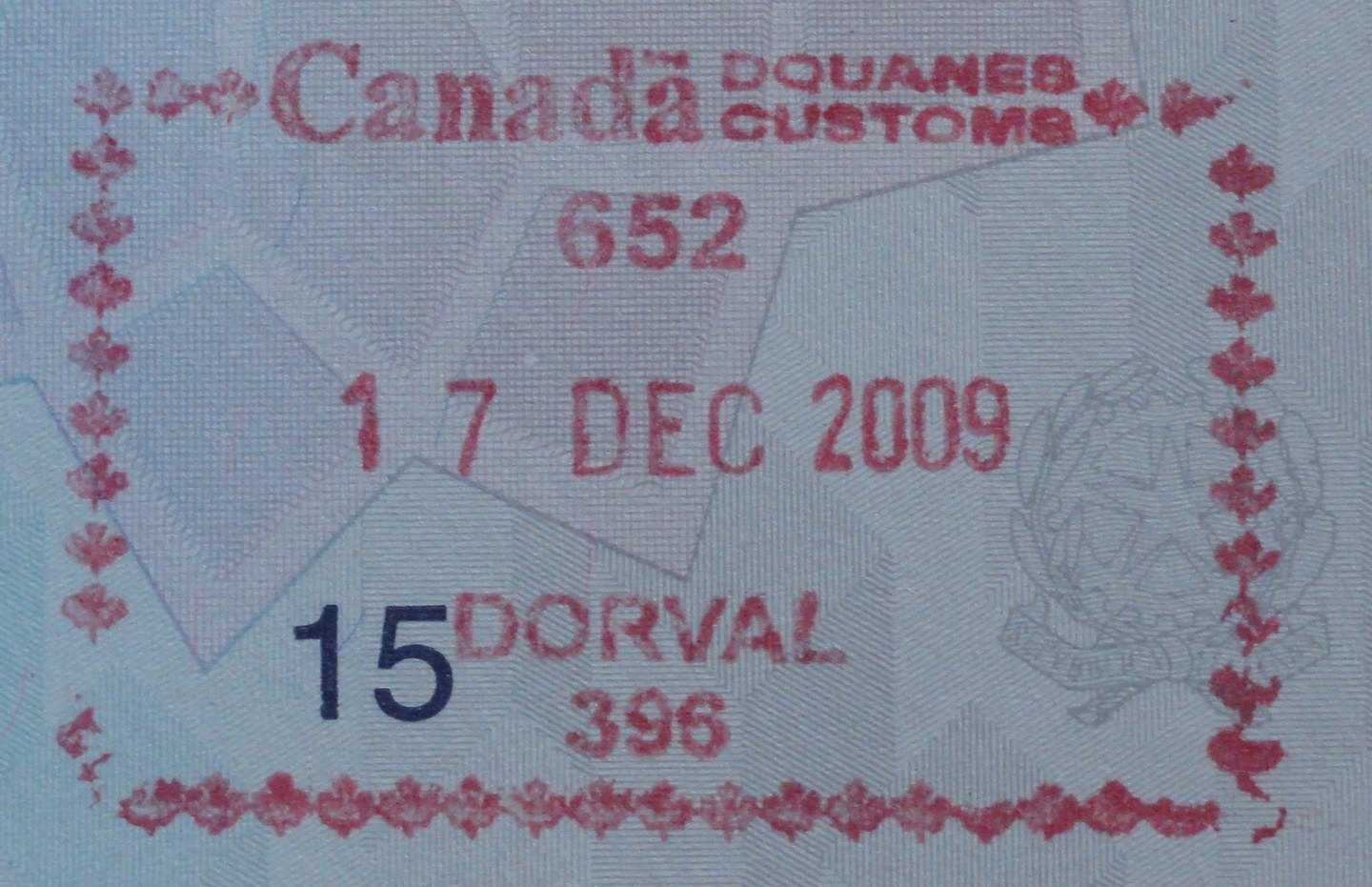

Someone may have a visa in their passport yet still need to check the length of their authorized stay. Another person may hold a status document that does not allow them to return after a trip. Identify each document and the question it answers. One date cannot summarize the entire situation.
Classify documents by purpose
Gather your passport, travel documents and records describing your stay in Canada. Note their exact names, expiry dates and written conditions. Avoid calling everything a “visa” in personal records: that habit can hide an important difference when preparing an application or trip.
The official visitor-record page explains that this document is not a visa. It also states that it does not guarantee leaving and re-entering Canada. This distinction matters: authorized stay and travel-document requirements must not be confused. Review your circumstances using the relevant official information. IRCC
Read conditions as well as dates
A prominent date is easy to enter in a calendar, but accompanying wording deserves equal attention. Record restrictions and directions without interpreting them through a friend’s permit. Permission to stay, study or work must be assessed under its own conditions.
IRCC has a page identifying status documents and their characteristics. Use it to recognize your document, not to create or alter an official record from an example. Illustrations explain formats; they are neither fillable templates nor proof of your personal circumstances. IRCC
Build a review calendar
Create separate lines for documents and planned events: course completion, travel, a contemplated change or an application to prepare. The table does not itself establish a right to remain. It highlights questions to resolve early instead of waiting until a ticket or employment deadline forces a rushed decision.
If a date seems inconsistent with another record, gather context: entry to Canada, documents received and any application already submitted. Do not apply a general social-media rule to a situation involving specific documents. Seek an individual review if you cannot determine which date governs your stay.
Check travel before booking
Before leaving Canada, check return-document requirements for your circumstances and transport method. A visitor record does not replace that review. Consider transit-country requirements and passport validity too. An answer about your current stay does not automatically resolve every stage of a journey. IRCC
- Identify each document’s exact name.
- Record dates and conditions separately.
- Reconstruct your last entry and ongoing procedures.
- Check documents needed for the return.
- Review contradictions before making commitments.
How should you ask for help?
Avoid a question as broad as “Is my visa still good?” Identify the documents you hold and the specific activity you plan. Bring complete records and your calendar to IR Immigration. The review can then distinguish stay, activity and travel without assuming authorization from a document’s appearance.
Official sources checked November 5, 2026
Official sources and verification
- www.canada.ca — 2026-11-05
- www.canada.ca — 2026-11-05
Resized photograph: Kristoferb / Wikimedia Commons — CC BY-SA 3.0 — CC BY-SA 3.0 Image source.